Table of Contents
ToggleIntroduction
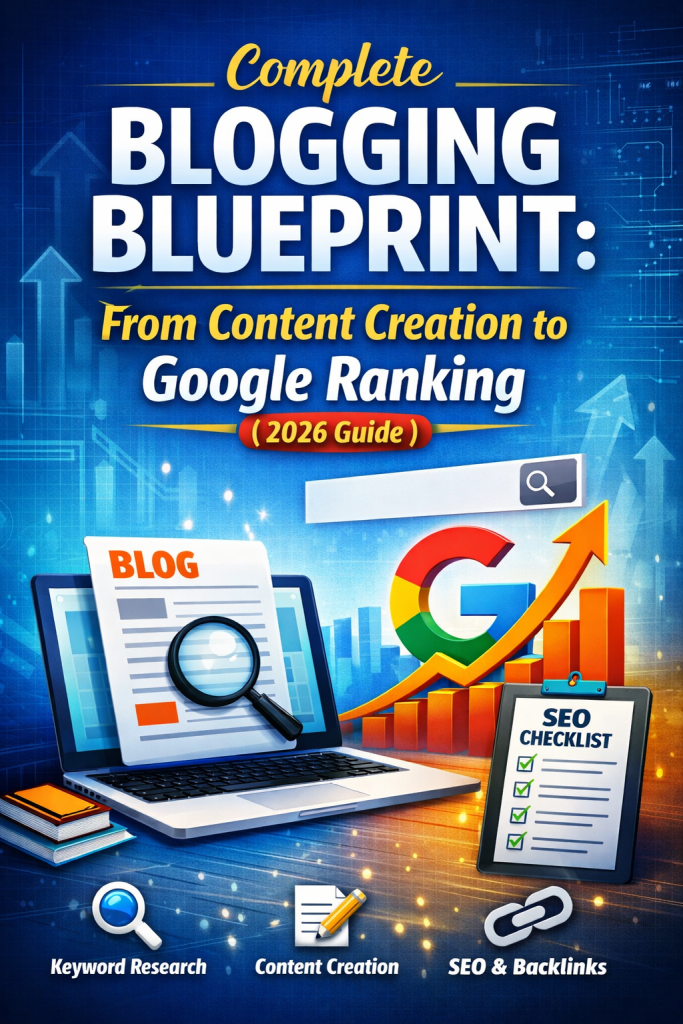
Blogging is no longer just about writing articles—it’s about creating a strategic digital asset that drives traffic, builds authority, and generates income. Whether you’re a beginner or an experienced blogger, understanding the complete blogging blueprint is essential to succeed in today’s competitive online landscape. Complete blogging blueprint is essential.
This guide will walk you step-by-step through the entire process—from content creation to ranking on Google—using proven SEO strategies that actually work in 2026.
H1: What is a Blogging Blueprint?
A blogging blueprint is a structured process that includes for complete blogging blueprint:
-
- Topic research
-
- Content creation
-
- SEO optimization
-
- Publishing
-
- Promotion
-
- Ranking and scaling
It ensures your blog is not just written—but ranked, read, and profitable.
H2: Step 1 – Niche Selection and Audience Targeting
Before writing a single word, you must define your niche for complete blogging blueprint:
H3: How to Choose the Right Niche
Pick a niche that is:
-
- Profitable (has buyer intent keywords)
-
- Evergreen (long-term demand)
-
- Low to medium competition
-
- Aligned with your interest
Examples of Profitable Niches for complete blogging blueprint.
-
- Digital marketing
-
- Blogging & SEO
-
- Health & fitness
-
- Finance & online earning
Pro Tip
Use tools like Google Trends and keyword research tools to validate demand before selecting your niche.
H2: Step 2 – Keyword Research (The Foundation of Ranking)
Keyword research is the backbone of SEO success for complete blogging blueprint.
H3: Types of Keywords You Should Target for complete blogging blueprint.
-
- Short-tail keywords (high competition)
-
- Long-tail keywords (easy to rank)
-
- Question-based keywords (featured snippets)
H3: Example Keywords for This Topic
-
- Complete blogging guide
-
- How to rank blog on Google
-
- Blogging blueprint step by step
-
- SEO content strategy
Best Practices
-
- Focus on low competition + high intent keywords
-
- Use primary keyword in:
-
- Title
-
- First paragraph
-
- Headings
-
- URL
-
- Use primary keyword in:
H2: Step 3 – Content Planning and Structure
Great blogs are not written randomly—they are strategically structured.
H3: Ideal Blog Structure
-
- H1: Main Title
-
- H2: Main Sections
-
- H3: Subsections
-
- Bullet points for readability
Content Planning Formula
-
- Problem
-
- Solution
-
- Steps
-
- Examples
-
- Conclusion
Pro Tip
Create a content outline before writing to ensure clarity and SEO optimization.
H2: Step 4 – Writing High-Quality SEO Content
Content is still king—but only if it is optimized for complete blogging blueprint.
H3: Key Elements of High-Quality Content
-
- Original and plagiarism-free
-
- Easy to read (simple language)
-
- Value-driven (solves problems)
-
- Engaging and structured
H3: SEO Writing Tips
-
- Use keyword naturally (avoid stuffing)
-
- Write for humans first, then search engines
-
- Add transition words
-
- Keep paragraphs short
Example Opening Strategy
Start with a hook:
“Want to rank your blog on Google without spending money on ads? This blueprint will show you exactly how.”
H2: Step 5 – On-Page SEO Optimization
On-page SEO ensures your content is understood by search engines.
H3: Checklist for On-Page SEO
-
- Use keyword in title
-
- Optimize meta description
-
- Add internal links
-
- Add external links
-
- Optimize images (alt text)
-
- Use proper heading structure
H3: URL Optimization
Bad URL:/post123?id=seo
Good URL:/complete-blogging-blueprint
H2: Step 6 – Technical SEO Basics
Even great content won’t rank if your website has technical issues.
H3: Key Technical Factors
-
- Fast loading speed
-
- Mobile responsiveness
-
- SSL certificate (HTTPS)
-
- Clean site structure
Tools to Use
-
- Google Search Console
-
- PageSpeed Insights
-
- GTmetrix
H2: Step 7 – Internal Linking Strategy
Internal linking helps Google understand your website structure.
Benefits
-
- Improves crawling
-
- Boosts SEO
-
- Increases time on site
Best Practices
-
- Link to related articles
-
- Use keyword-rich anchor text
-
- Avoid over-linking
H2: Step 8 – Content Publishing and Indexing
Publishing is not the final step—it’s just the beginning.
After Publishing Checklist
-
- Submit URL in Google Search Console
-
- Share on social media
-
- Check indexing status
Pro Tip
Request indexing immediately after publishing to speed up visibility.
H2: Step 9 – Off-Page SEO and Backlinks
Backlinks are one of the strongest ranking factors.
H3: Ways to Get Backlinks
-
- Guest posting
-
- Blog commenting
-
- Directory submission
-
- Social sharing
Quality vs Quantity
1 high-quality backlink > 10 low-quality backlinks
H2: Step 10 – Content Promotion Strategy
Even the best content needs promotion.
Channels to Promote Your Blog
-
- Facebook groups
-
- Quora
-
- Email marketing
Pro Tip
Repurpose your blog into:
-
- Short posts
-
- Videos
-
- Infographics
H2: Step 11 – Tracking Performance
You must measure results to improve.
Key Metrics to Track
-
- Organic traffic
-
- Keyword ranking
-
- Bounce rate
-
- Click-through rate (CTR)
Tools
-
- Google Analytics
-
- Google Search Console
H2: Step 12 – Updating and Scaling Content
SEO is not a one-time task.
Why Updating Content is Important
-
- Keeps content fresh
-
- Improves ranking
-
- Matches new search intent
How to Update
-
- Add new sections
-
- Improve keywords
-
- Update outdated info
H2: Common Blogging Mistakes to Avoid
-
- Ignoring keyword research
-
- Writing without structure
-
- Not optimizing for SEO
-
- Publishing low-quality content
-
- Ignoring mobile users
H2: Advanced Blogging Tips for Faster Ranking
-
- Use schema markup
-
- Target featured snippets
-
- Optimize for voice search
-
- Build topical authority
-
- Focus on E-E-A-T (Experience, Expertise, Authority, Trust)
H2: Conclusion
Blogging success doesn’t happen overnight—it requires a clear strategy, consistency, and continuous optimization.
By following this complete blogging blueprint, you can:
-
- Create high-quality content
-
- Optimize it for search engines
-
- Drive organic traffic
-
- Rank on Google faster
Remember:
Content + SEO + Consistency = Blogging Success
Add Your Heading Text Here
https://padma.us.cc/Lorem ipsum dolor sit amet, consectetur adipiscing elit. Ut elit tellus, luctus nec ullamcorper mattis, pulvinar dapibus leo.
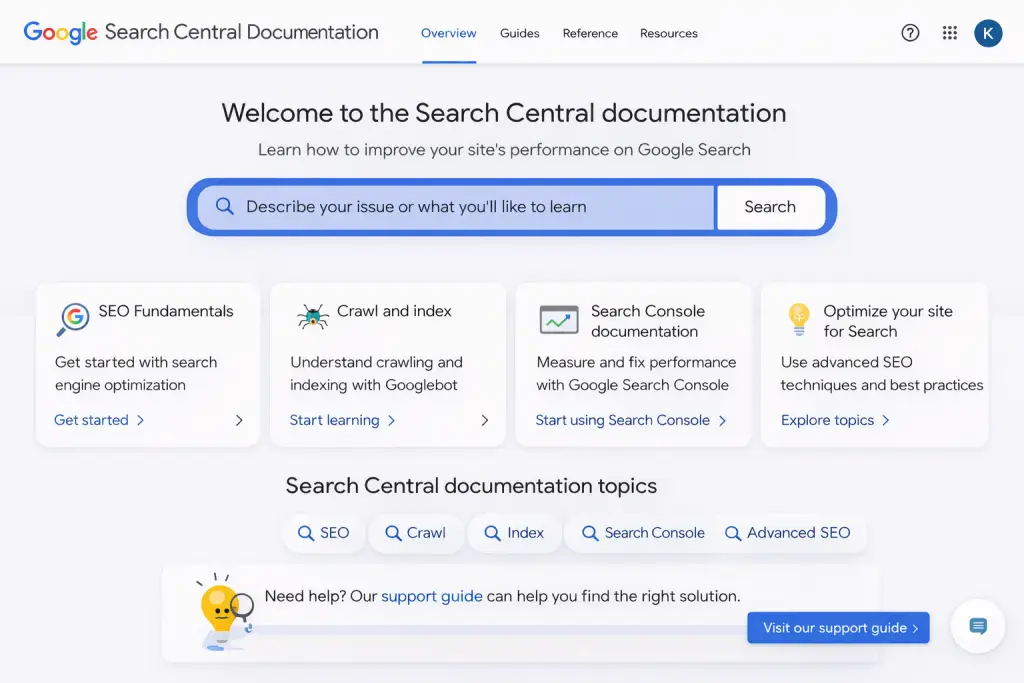
http://Google Search Central DocumentationLorem ipsum dolor sit amet, consectetur adipiscing elit. Ut elit tellus, luctus nec ullamcorper mattis, pulvinar dapibus leo.
Lorem ipsum dolor sit amet, consectetur adipiscing elit. Ut elit tellus, luctus nec ullamcorper mattis, pulvinar dapibus leo.