Introduction
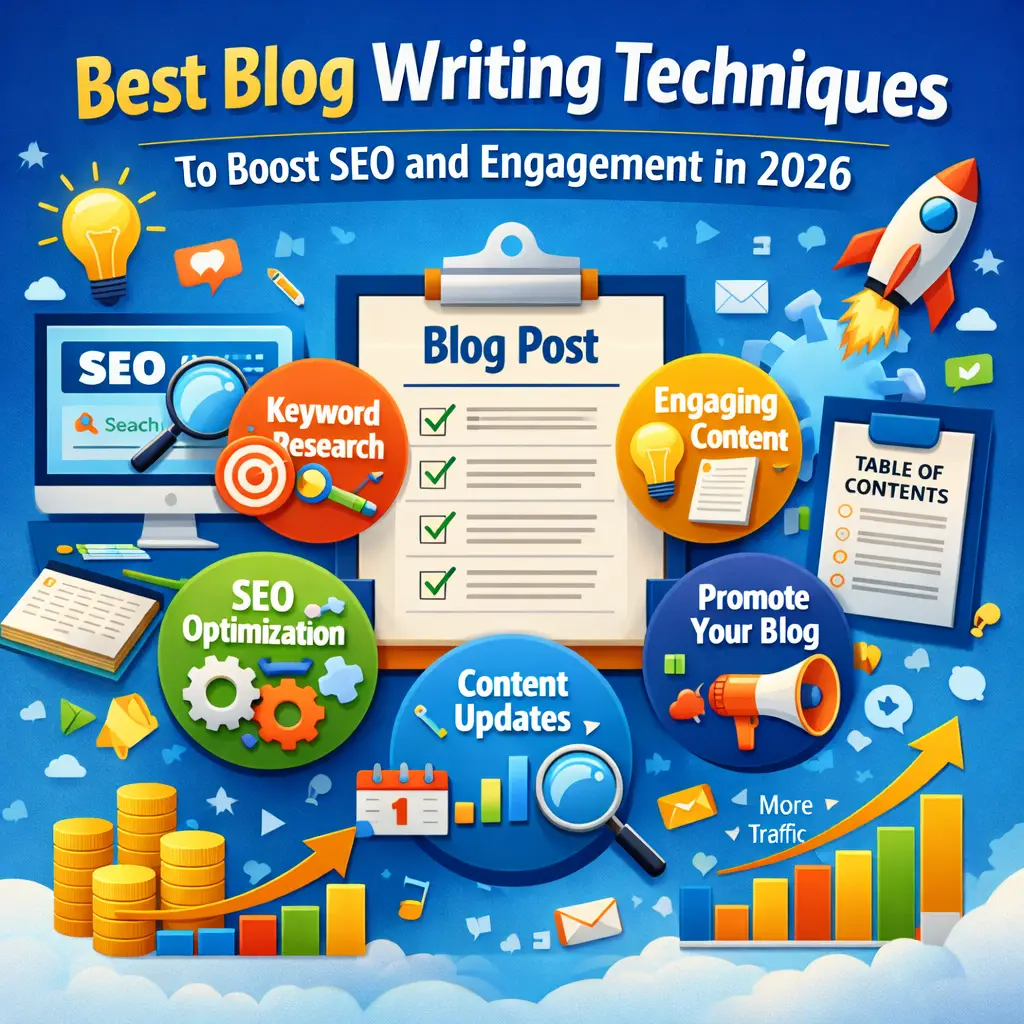
Learn best blog writing techniques to boost Seo and Engagement in 2026. Blogging in 2026 is no longer just about writing articles—it’s about creating high-quality, SEO-driven, and user-focused content that ranks on Google and keeps readers engaged. With constant algorithm updates and increasing competition, bloggers must adopt advanced writing techniques to stand out.
If you want your blog to rank higher and attract consistent traffic, you need to focus on content quality, structure, user intent, and optimization strategies. In this comprehensive guide, you will learn the best blog writing techniques to boost both SEO and engagement using tools like Google Search Console.
Why Blog Writing Techniques Matter for SEO
Writing techniques directly impact how your content performs.
Benefits:
-
- Higher rankings on search engines
-
- Increased organic traffic
-
- Better user engagement
-
- Improved dwell time
Google prioritizes content that is:
-
- Relevant
-
- Well-structured
-
- Valuable
-
- Easy to read
Understand Search Intent Before Writing
Search intent is the foundation of SEO.
Types of Intent:
-
- Informational
-
- Navigational
-
- Transactional
For this topic, the intent is informational, so your content must educate and guide readers.
Perform Advanced Keyword Research
Keyword research helps you target the right audience.
Use tools like:
-
- Google Keyword Planner
-
- Google Trends
Best Practices:
-
- Use long-tail keywords
-
- Focus on low competition keywords
-
- Include LSI keywords
Example Keywords:
-
- blog writing techniques 2026
-
- SEO content writing tips
-
- engagement blogging strategies
Craft Compelling Headlines
Your headline determines whether users click your content.
Tips:
-
- Use power words (Best, Ultimate, Proven)
-
- Include numbers
-
- Create curiosity
Example:
Best Blog Writing Techniques to Boost SEO and Engagement in 2026
Write High-Quality Long-Form Content
Long-form content performs better in search results.
Ideal Length:
-
- 1500–2000 words
Include:
-
- Detailed explanations
-
- Real-life examples
-
- Actionable steps
Structure Your Blog Properly
Content structure improves readability and SEO.
Use:
-
- H1 for title
-
- H2 for main sections
-
- H3 for subtopics
Benefits:
-
- Better user experience
-
- Faster indexing
Write Engaging Content
Engaging content keeps readers on your page longer.
Tips:
-
- Use simple language
-
- Write short paragraphs
-
- Use bullet points
Example:
Instead of:
Blogging is important
Write:
Blogging helps increase visibility, attract visitors, and build authority.
Use Keywords Naturally
Avoid keyword stuffing.
Place keywords in:
-
- Title
-
- Headings
-
- Introduction
-
- Conclusion
Add Internal Links
Internal links help Google crawl your website.
Benefits:
-
- Better indexing
-
- Increased authority
-
- Improved navigation
Use External Links for Credibility
External links improve trust.
They show your content is well-researched and reliable.
Optimize Images for SEO


4
Tips:
-
- Add ALT text
-
- Use compressed images
-
- Use relevant visuals
Improve Readability
Readable content improves engagement.
Tips:
-
- Use short sentences
-
- Use bullet points
-
- Avoid complex words
Add Value with Examples
Example:
Instead of writing:
Use SEO techniques
Write:
Use keywords, internal links, and optimized headings to improve ranking.
Content Formatting Techniques
Formatting improves user experience.
Use:
-
- Headings
-
- Lists
-
- Bold text
Use Content Clustering Strategy
Create multiple articles around one topic.
Example:
-
- Blog Writing Techniques
-
- Keyword Research
-
- SEO Optimization
-
- Content Promotion
-
- Blog Writing Techniques
Promote Your Content
Publishing alone is not enough.
Share on:
-
- Quora
-
- Medium
Update Content Regularly
Fresh content ranks better.
Actions:
-
- Update old posts
-
- Add new insights
-
- Improve readability
Focus on User Experience
User experience affects rankings.
Improve:
-
- Page speed
-
- Mobile responsiveness
-
- Navigation
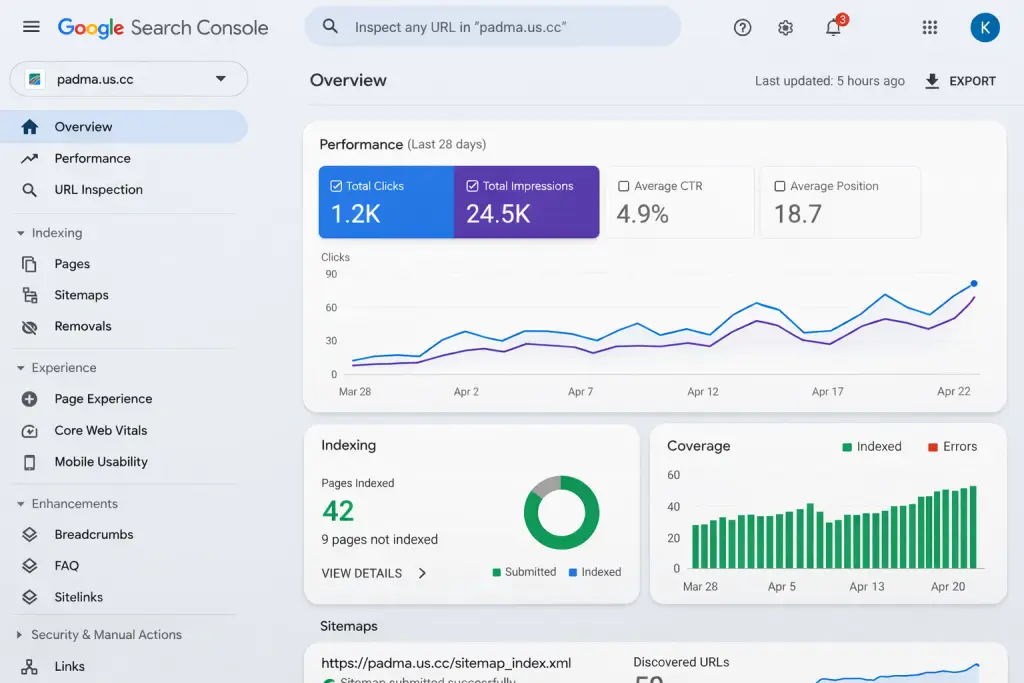
Track Performance
Use tools like:
-
- Google Analytics
-
- Google Search Console
Advanced Blog Writing Techniques
1. Optimize for Featured Snippets
Provide clear answers.
2. Use LSI Keywords
Include related keywords.
3. Add Table of Contents
Improves SEO score.
Common Blogging Mistakes
Avoid:
-
- Thin content
-
- Keyword stuffing
-
- Poor structure
-
- No internal links
Real-Life Example
A blog using proper SEO techniques can:
-
- Rank faster
-
- Drive consistent traffic
-
- Build authority
Publishing Frequency
Consistency matters.
Recommended:
-
- 2–3 posts per week
Complete SEO Checklist
Before publishing:
-
- Keyword in title
-
- Meta description added
-
- Internal links added
-
- External links added
-
- Images optimized
-
- Content length 1500+ words
Conclusion
In 2026, successful blogging requires a combination of high-quality content, proper SEO techniques, and user-focused writing strategies. By following these best blog writing techniques, you can improve your rankings, increase engagement, and drive consistent traffic.
Start implementing these strategies today and take your blog to the next level.