H2. Introduction
Creating blog posts that rank on Google in 2026 requires more than just writing content. It involves a combination of strategic keyword research, high-quality writing, on-page SEO, and user-focused optimization. With increasing competition, only well-structured and SEO-friendly blog posts can achieve higher rankings and attract consistent organic traffic.
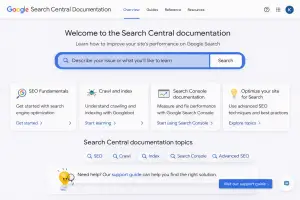
In this ultimate guide, you will learn proven techniques to create SEO-friendly blog posts that not only rank on Google but also engage readers and drive long-term results using tools like Google Search Console.
H2. What is an SEO-Friendly Blog Post?
An SEO-friendly blog post is content that is:
-
- Optimized for search engines
-
- Valuable for readers
-
- Structured for easy crawling and indexing
It includes:
-
- Proper keyword usage
-
- Internal and external links
-
- Optimized headings
-
- High-quality content
Step 1: Understand Search Intent
Before writing, understand what users want.
Types of Search Intent:
-
- Informational
-
- Navigational
-
- Transactional
For this topic, the intent is informational, so your content must provide clear and actionable insights.
Step 2: Perform Keyword Research
Keyword research is the foundation of SEO.
Use tools like:
-
- Google Keyword Planner
-
- Google Trends
Tips:
-
- Use long-tail keywords
-
- Include LSI keywords
-
- Focus on low competition keywords
Step 3: Create a Compelling Title
Your title should:
-
- Include the focus keyword
-
- Use power words
-
- Be engaging
Example:
Ultimate Guide to Creating SEO-Friendly Blog Posts That Rank on Google
Step 4: Write High-Quality Content
Content quality is the most important ranking factor.
Best Practices:
-
- Write 1500+ words
-
- Use simple language
-
- Provide value
Include:
-
- Examples
-
- Case studies
-
- Actionable steps
Step 5: Optimize Content Structure
Proper structure improves readability and SEO.
Structure:
-
- H1: Title
-
- H2: Main sections
-
- H3: Subsections
Benefits:
-
- Better user experience
-
- Faster indexing
Step 6: Use Keywords Naturally
Avoid keyword stuffing.
Where to use keywords:
-
- Title
-
- Headings
-
- Introduction
-
- Conclusion
Step 7: Optimize Meta Tags
Meta tags improve click-through rate.
Use:
Rank Math SEO
Tips:
-
- Title under 60 characters
-
- Description under 160 characters
Step 8: Add Internal Links
Internal linking helps Google understand your website.
Link to:
-
- On Page SEO Checklist
-
- Common SEO Errors
-
- Blog Content Creation Strategies
Step 9: Add External Links
External links improve credibility.
Example: Learn advanced content marketing strategies from trusted sources.
Step 10: Optimize Images
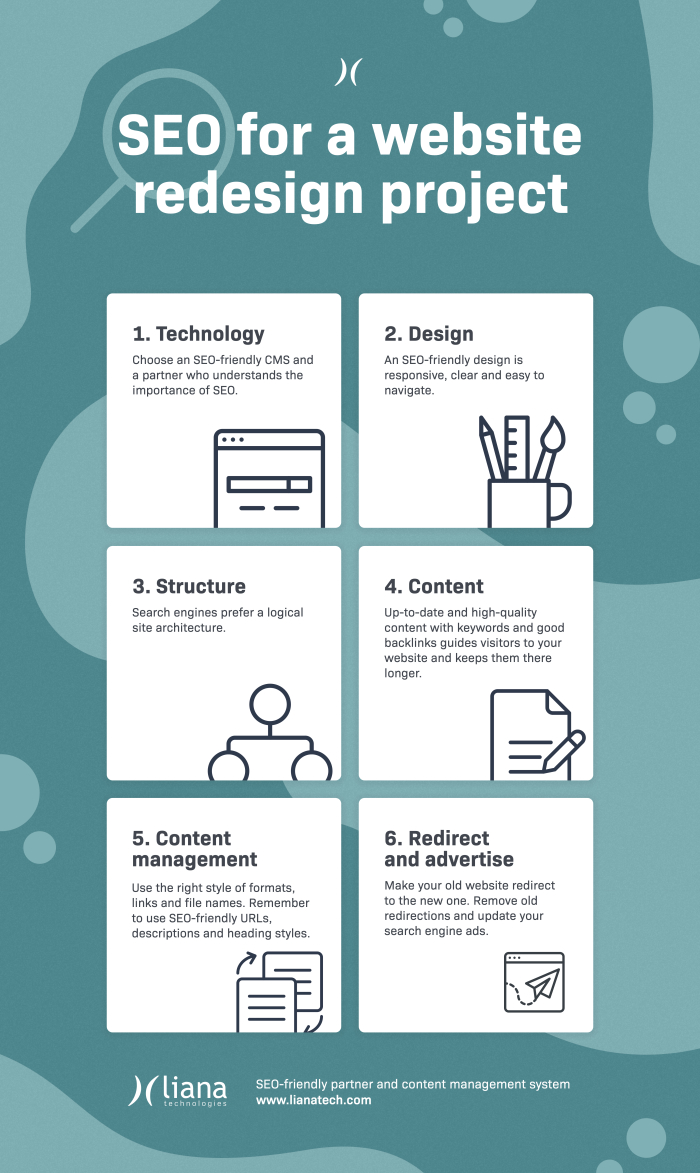


4
Tips:
-
- Use ALT text
-
- Compress images
-
- Use relevant visuals
Step 11: Improve Page Speed
Fast websites rank better.
Optimize:
-
- Images
-
- Hosting
-
- Mobile responsiveness
Step 12: Add FAQ Section
Q1: How do I write SEO-friendly blog posts?
Use proper keywords, structure, and high-quality content.
Q2: What is ideal blog length?
1500–2000 words.
Q3: Are backlinks important?
Yes, they improve authority and ranking.
Step 13: Use Content Clustering
Create a main topic and supporting articles.
Example:
-
- SEO Blog Writing
-
- Keyword Research
-
- On Page SEO
-
- Content Promotion
-
- SEO Blog Writing
Step 14: Promote Your Blog
Share your content on:
-
- Quora
-
- Medium
Step 15: Track Performance
Use tools like:
-
- Google Analytics
-
- Google Search Console
H2. Advanced Tips to Rank Faster
1. Optimize for Featured Snippets
Answer questions clearly.
2. Use Short Paragraphs
Improve readability.
3. Add Table of Contents
Boost SEO score.
H2. Common Mistakes to Avoid
-
- Thin content
-
- Keyword stuffing
-
- No internal links
-
- Poor structure
H2. Real-World Example of SEO-Friendly Blog Creation
To better understand how SEO-friendly blog posts work, let’s look at a real-world example.
Suppose you want to rank a blog post on “SEO-Friendly Blog Posts”. Instead of writing randomly, you follow a structured strategy.
Step-by-Step Process:
-
Keyword Selection
Choose a primary keyword like SEO-friendly blog posts and supporting keywords such as blog SEO tips and content optimization. -
Content Planning
Create an outline with headings and subheadings. -
Content Writing
Write detailed, valuable content focusing on user intent. -
Optimization
Add meta tags, internal links, and images. -
Publishing & Promotion
Share your post on platforms like Quora and LinkedIn.
Result:
-
Faster indexing
-
Better ranking
-
Increased traffic
H2. Content Planning Strategy for Better Rankings
Planning is a crucial part of blog creation.
Create a Content Outline:
-
Introduction
-
Main sections (H2)
-
Subsections (H3)
-
Conclusion
Benefits:
-
Saves time
-
Improves structure
-
Enhances readability
H2. How to Write Engaging Blog Content
Writing engaging content is essential for ranking.
Tips:
-
Use simple and clear language
-
Write short paragraphs
-
Add examples and explanations
-
Use bullet points
Example:
Instead of writing:
SEO is important for blogs.
Write:
SEO helps your blog rank higher on Google, attract more visitors, and increase engagement.
H2. Importance of Content Depth and Value
Google prefers content that provides complete information.
Add Depth by Including:
-
Detailed explanations
-
Real-life examples
-
Step-by-step guides
-
Expert tips
Why It Matters:
-
Improves user experience
-
Increases time on page
-
Boosts ranking
H2. Content Formatting Techniques
Proper formatting improves readability.
Use:
-
Headings (H2, H3)
-
Bullet points
-
Numbered lists
-
Bold text for important points
Result:
-
Easier to read
-
Better user engagement
-
Improved SEO score
H2. How Internal Linking Improves SEO
Internal linking is one of the most powerful SEO techniques.
Benefits:
-
Helps Google crawl your site
-
Distributes link authority
-
Improves user navigation
Best Practice:
Link related posts naturally within your content.
H2. How External Links Build Trust
External links show that your content is well-researched.
Benefits:
-
Increases credibility
-
Improves SEO signals
-
Provides additional value to readers
H2. Content Promotion Strategy
Publishing content is not enough—you must promote it.
Where to Promote:
-
Quora
-
Medium
-
LinkedIn
How to Promote:
-
Share summaries
-
Add your blog link
-
Engage with users
H2. Building Topical Authority
Topical authority means covering a subject in depth.
How to Build:
-
Write multiple related articles
-
Interlink them
-
Update content regularly
Result:
-
Google trusts your website
-
Faster indexing
-
Higher rankings
H2. User Experience and SEO
User experience plays a major role in SEO.
Improve UX by:
-
Using mobile-friendly design
-
Improving page speed
-
Writing readable content
H2. Common SEO Mistakes to Avoid
Avoid these mistakes:
-
Thin content
-
Keyword stuffing
-
Poor structure
-
No internal links
-
Ignoring user intent
H2. Publishing Frequency Strategy
Consistency is key.
Recommended:
-
Publish 2–3 blog posts per week
Benefits:
-
Keeps your site active
-
Improves indexing
-
Builds authority
H2. Checklist for SEO-Friendly Blog Posts
Before publishing, ensure:
-
Keyword in title
-
Meta description added
-
Internal links included
-
External links included
-
Images optimized
-
Content above 1500 words
H2. Final Thoughts
Creating SEO-friendly blog posts that rank on Google requires strategy, consistency, and optimization. By following these techniques, you can improve your blog’s performance, attract more visitors, and achieve long-term success.
Focus on providing value, optimizing your content, and promoting it effectively. Over time, your blog will gain authority and rank higher in search results.
Conclusion
Creating SEO-friendly blog posts that rank on Google requires a combination of quality content, proper optimization, and strategic promotion. By following this ultimate guide, you can significantly improve your blog’s visibility, attract organic traffic, and achieve long-term success.
Start implementing these strategies today, and your blog will rank faster and perform better in search results.